ACME’s Liverpool Street Station Redevelopment Gets Green Light Despite Widespread Opposition
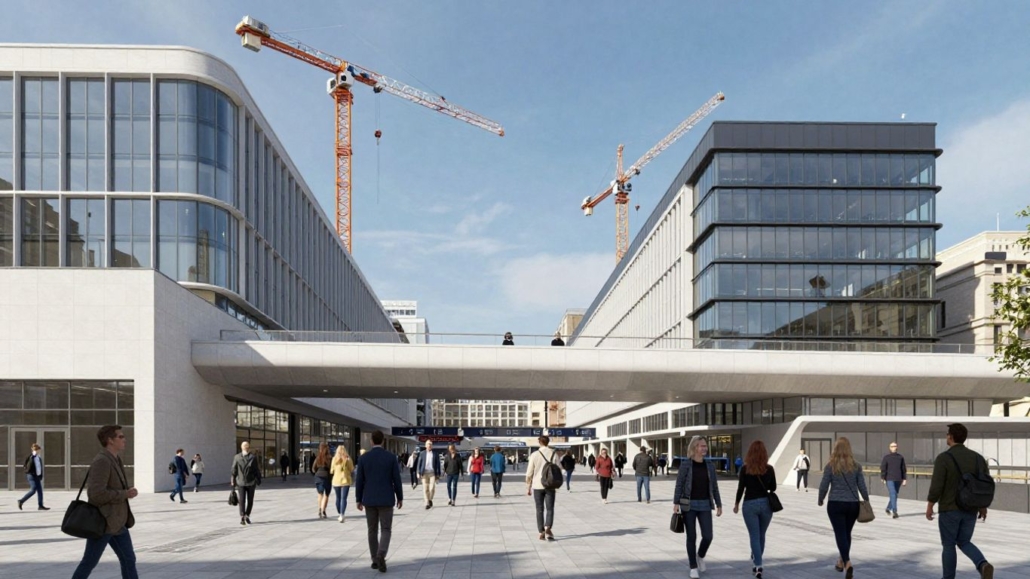
The City of London has approved ACME’s ambitious £1.5 billion redevelopment of Liverpool Street Station, a decision that moves forward despite over 3,700 objections from heritage groups, residents, and architectural bodies. The project, which includes a new 97m-tall office tower above the station concourse, aims to fund significant station improvements and modernise the transport hub.
Key Takeaways
- The City of London planning committee voted 19-3 in favour of ACME’s redevelopment.
- Over 3,700 objections were lodged against the £1.5 billion project.
- The scheme involves partial demolition and the construction of a new office tower.
- Heritage groups and architects have voiced strong opposition, citing concerns over the impact on the listed station.
- Supporters argue the redevelopment is crucial for modernising infrastructure and supporting the City’s economy.
A Contentious Approval
The approval by the City of London planning committee marks a significant, albeit controversial, step for the future of Liverpool Street Station. The project, designed by ACME, faced a barrage of criticism, including from prominent heritage organisations like the Victorian Society and the Twentieth Century Society, as well as SAVE Britain’s Heritage. These groups have protested the partial demolition of the listed station and the construction of a tall office tower, arguing it would cause irreversible harm to the historic asset and its setting.
Arguments For and Against
Proponents of the redevelopment, including committee chair Tom Sleigh and City of London policy chairman Chris Hayward, hailed the decision as a vital upgrade for the Square Mile. They emphasised the need for a modern transport hub to support the City’s business ecosystem, create jobs, and enhance the passenger experience. Sleigh defended the project by questioning why new stations were acceptable in the past but not today, calling the approved scheme an “excellent application” and a “modern temple to transport.”
Conversely, opponents, including TV presenter Griff Rhys Jones, president of the Victorian Society, described the decision as a “sad day for the City of London,” labelling the office block as “disfiguring.” A rival proposal from John McAslan + Partners, which aimed for a less disruptive approach by building over the trainshed, was also presented but ultimately deemed unviable by Network Rail and ACME due to engineering complexities and financial concerns.
Heritage and Viability Concerns
While Historic England did not formally object, they raised concerns about the loss of natural light, the impact on columns, and obstructed views of the train shed’s brick elevations. Hyatt, the owner of the adjacent Grade II*-listed Andaz London Liverpool Street hotel, also expressed worries about the scheme’s impact and disruption. Despite these concerns and the substantial number of objections, the planning officer’s report concluded that the benefits of upgrading the station and delivering density in a suitable location outweighed the negative impacts.
The Path Forward
ACME’s approved scheme differs from earlier, more controversial plans by Herzog & de Meuron, notably leaving the former Great Eastern Hotel untouched. The project aims to improve station concourses, enhance accessibility, and introduce new pedestrian routes. Heritage groups have vowed to continue their opposition, stating they are “prepared for the long haul” and will examine the committee’s decision closely for their next steps.
Sources
- ACME’s Liverpool St station plans approved despite 3,700+ objections, The Architects’ Journal.
- Liverpool Street station replacement scheme submitted for planning, The Architects’ Journal.
- Architects clash over Liverpool Street station plans, The Architects’ Journal.