Tag Archive for: Country

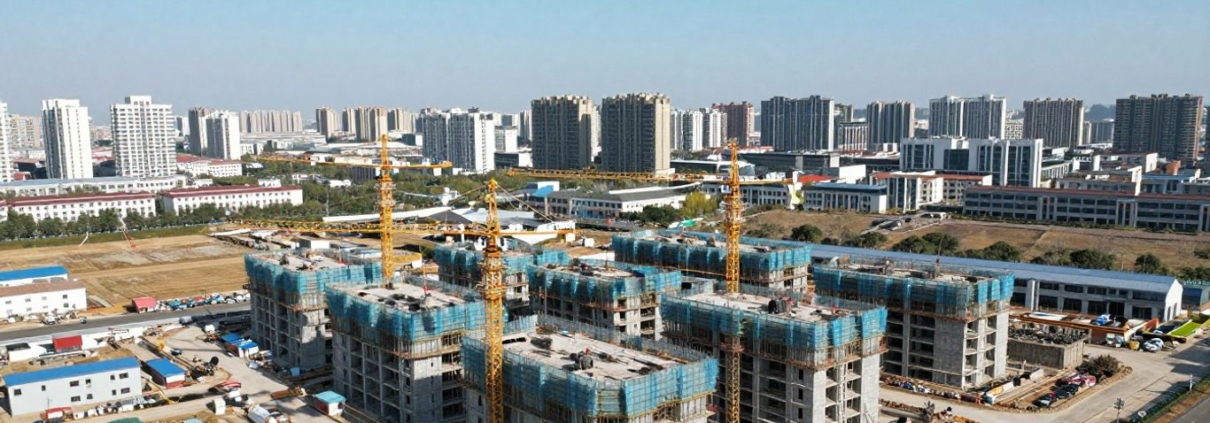
New housing developments under construction near a city.

UK Government Unveils Seven New Towns to Tackle Housing Crisis

The UK government has announced plans to build seven new towns across the country, aiming to deliver a significant boost to housing supply. This ambitious initiative is set to create tens of thousands of new homes, with a focus on affordable housing and integrated community infrastructure. The locations have been carefully selected to maximise impact and connectivity.

Key Takeaways

  • Seven new town locations have been confirmed across the UK.
  • Each town is expected to deliver at least 10,000 homes, with some exceeding 40,000.
  • A minimum of 40% affordable housing is targeted for each development, with half of that for social rent.
  • The government is providing funding and support for masterplanning, infrastructure, and development vehicles.

New Town Locations Revealed

The government has identified seven key sites for these new developments, marking the most significant building push in over half a century. These locations are:

  • Tempsford, Bedfordshire: Set to be developed around a new East West Rail station, connecting residents to major cities like Cambridge, Oxford, and London.
  • Crews Hill and Chase Park, Enfield, London: This site aims to deliver up to 21,000 homes.
  • Leeds South Bank, West Yorkshire: Expected to provide up to 20,000 new homes.
  • Manchester Victoria North, Greater Manchester: Planned to offer at least 15,000 homes, with a new Metrolink stop for enhanced connectivity.
  • Thamesmead, Greenwich, London: A riverside location that will see up to 15,000 homes, unlocked by the extension of the Docklands Light Railway.
  • Brabazon and the West Innovation Arc, South Gloucestershire: This development is projected to deliver up to 40,000 homes.
  • Milton Keynes, Buckinghamshire: The city will be expanded by approximately 40,000 homes, alongside a new city centre transport system.

Addressing the Housing Shortage

Housing Secretary Steve Reed stated that the initiative aims to provide “real homes they can actually afford and infrastructure that really works.” The new towns are designed from the ground up to include homes, jobs, transport links, and green spaces, fostering thriving communities. This strategy is part of a broader commitment to build 1.5 million new homes over the next parliamentary term.

Support and Funding

The government will offer resources and capital funding, including grants, loans, and guarantees, to support the development of these new towns. A dedicated “new towns unit” will be established to provide support and coordination across departments. Additionally, the new Homes England National Housing Bank, with £16 billion in capital, will play a crucial role in financing these projects. The government is prepared to use compulsory purchase orders if necessary to ensure progress.

Potential Names Under Consideration

While final names are yet to be decided, potential options being considered include Elizabethtown (after Queen Elizabeth II), Pankhurst (after suffragette Emmeline Pankhurst), and Attleeton (after former Labour Prime Minister Clement Attlee), reflecting a nod to historical figures and national heritage.

Sector Reaction

Industry bodies have welcomed the announcement, emphasising the need for ambition and collaboration to deliver housing at scale. Concerns have been raised about ensuring viability and removing barriers to delivery, particularly regarding infrastructure and diverse housing tenures.

Sources

ACME's redevelopment of Liverpool Street Station, London.

ACME’s Liverpool Street Station Redevelopment Gets Green Light Despite Widespread Opposition

The City of London has approved ACME’s ambitious £1.5 billion redevelopment of Liverpool Street Station, a decision that moves forward despite over 3,700 objections from heritage groups, residents, and architectural bodies. The project, which includes a new 97m-tall office tower above the station concourse, aims to fund significant station improvements and modernise the transport hub.

Key Takeaways

  • The City of London planning committee voted 19-3 in favour of ACME’s redevelopment.
  • Over 3,700 objections were lodged against the £1.5 billion project.
  • The scheme involves partial demolition and the construction of a new office tower.
  • Heritage groups and architects have voiced strong opposition, citing concerns over the impact on the listed station.
  • Supporters argue the redevelopment is crucial for modernising infrastructure and supporting the City’s economy.

A Contentious Approval

The approval by the City of London planning committee marks a significant, albeit controversial, step for the future of Liverpool Street Station. The project, designed by ACME, faced a barrage of criticism, including from prominent heritage organisations like the Victorian Society and the Twentieth Century Society, as well as SAVE Britain’s Heritage. These groups have protested the partial demolition of the listed station and the construction of a tall office tower, arguing it would cause irreversible harm to the historic asset and its setting.

Arguments For and Against

Proponents of the redevelopment, including committee chair Tom Sleigh and City of London policy chairman Chris Hayward, hailed the decision as a vital upgrade for the Square Mile. They emphasised the need for a modern transport hub to support the City’s business ecosystem, create jobs, and enhance the passenger experience. Sleigh defended the project by questioning why new stations were acceptable in the past but not today, calling the approved scheme an “excellent application” and a “modern temple to transport.”

Conversely, opponents, including TV presenter Griff Rhys Jones, president of the Victorian Society, described the decision as a “sad day for the City of London,” labelling the office block as “disfiguring.” A rival proposal from John McAslan + Partners, which aimed for a less disruptive approach by building over the trainshed, was also presented but ultimately deemed unviable by Network Rail and ACME due to engineering complexities and financial concerns.

Heritage and Viability Concerns

While Historic England did not formally object, they raised concerns about the loss of natural light, the impact on columns, and obstructed views of the train shed’s brick elevations. Hyatt, the owner of the adjacent Grade II*-listed Andaz London Liverpool Street hotel, also expressed worries about the scheme’s impact and disruption. Despite these concerns and the substantial number of objections, the planning officer’s report concluded that the benefits of upgrading the station and delivering density in a suitable location outweighed the negative impacts.

The Path Forward

ACME’s approved scheme differs from earlier, more controversial plans by Herzog & de Meuron, notably leaving the former Great Eastern Hotel untouched. The project aims to improve station concourses, enhance accessibility, and introduce new pedestrian routes. Heritage groups have vowed to continue their opposition, stating they are “prepared for the long haul” and will examine the committee’s decision closely for their next steps.

Sources

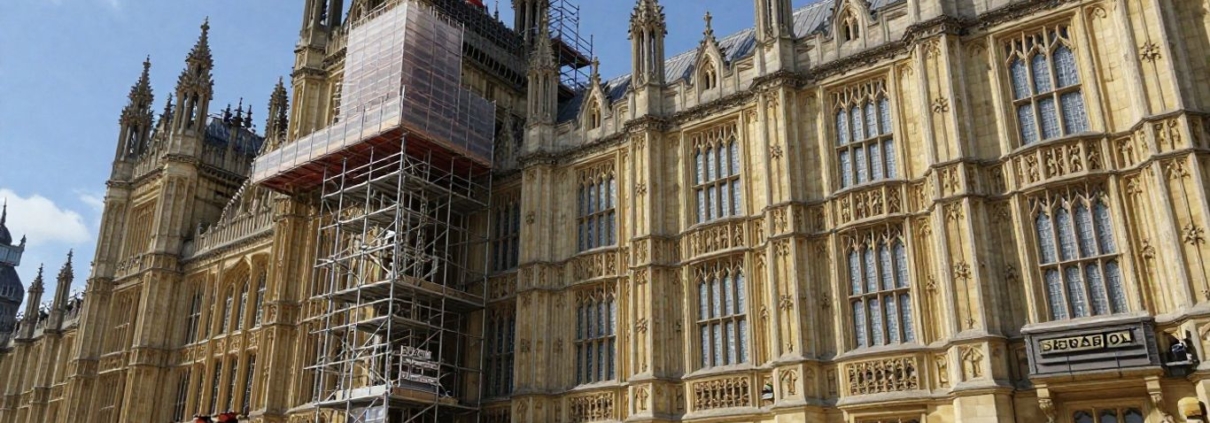
Parliament building undergoing major restoration work.

Parliament’s Future: £40bn Restoration Bill Looms as Two Options Emerge

The monumental task of restoring the Houses of Parliament has been narrowed down to two distinct options, with the potential price tag soaring to an astonishing £40 billion. This significant expenditure underscores the critical state of the historic Palace of Westminster and the complex decisions facing lawmakers regarding its future.

Key Takeaways

  • Two primary restoration strategies remain under consideration.
  • The estimated cost for either option could reach up to £40 billion.
  • Urgent action is required to address the deteriorating condition of the Palace of Westminster.

The Dilemma Facing Parliament

The Palace of Westminster, a UNESCO World Heritage site, is in dire need of extensive repairs. Decades of neglect and the sheer age of the building have led to a critical state of disrepair, with concerns ranging from fire safety to structural integrity. The decision on how to proceed with restoration is not merely a financial one, but also a complex balancing act between preserving heritage and ensuring the building’s functionality for future generations.

Understanding the Two Options

While specific details of the two remaining options are not fully public, it is understood that they represent different approaches to the scale and methodology of the restoration. One option may involve a more phased, potentially longer-term approach, while the other could be a more comprehensive, albeit potentially more disruptive, overhaul. Both are expected to require the temporary relocation of Parliament.

The projected cost of £40 billion reflects the immense scale of the undertaking. This figure encompasses not only structural repairs but also essential upgrades to modernise the building’s infrastructure, including electrical, plumbing, and IT systems, while adhering to stringent heritage conservation standards.

The Urgency of Action

Experts have repeatedly warned that delaying essential repairs will only lead to further deterioration and potentially higher costs in the long run. The current condition of the Palace poses risks, and a significant intervention is deemed unavoidable. The decision-making process is expected to be lengthy and involve extensive consultation, but the ultimate goal is to secure the future of this iconic symbol of British democracy.

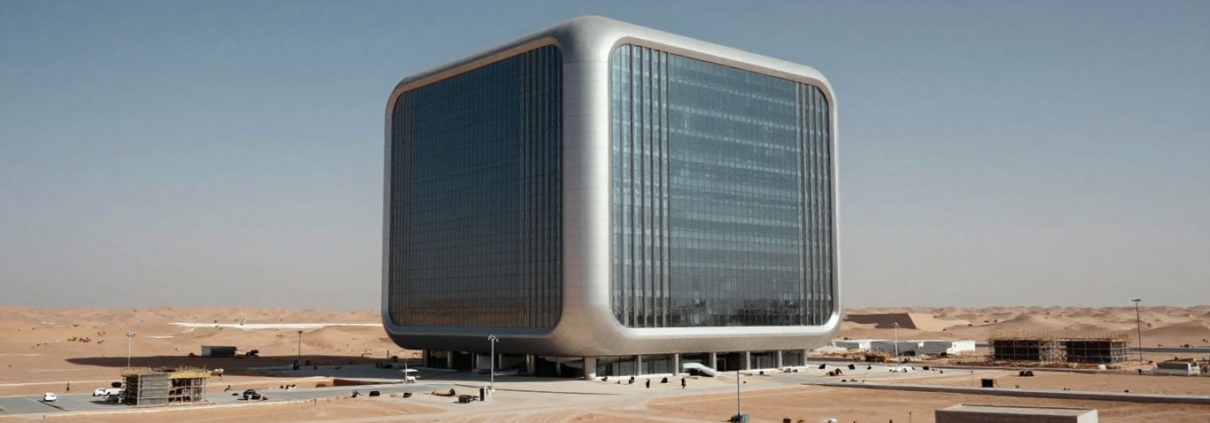
Futuristic cube building in Saudi Arabia desert.

Saudi Arabia’s Ambitious Mukaab Project Reportedly Halted Amidst Wider Mega-Project Revisions

Construction on Saudi Arabia’s colossal Mukaab mega-cube project, a flagship component of the Kingdom’s Vision 2030 redevelopment drive, has reportedly been put on hold. This development follows reports of scaled-down plans for other major Saudi ventures, including Neom’s Trojena ski resort and The Line, signalling a potential recalibration of the Kingdom’s ambitious diversification strategy.

Key Takeaways

  • Building work on the Mukaab’s main landmark structure has been suspended, with only initial excavation and piling continuing.
  • The Mukaab’s design is reportedly being revisited to align with a scale more suited to Riyadh’s existing urban fabric.
  • Other major Saudi projects, such as Neom’s Trojena and The Line, are also facing significant revisions and scale-downs.
  • These adjustments suggest a broader strategic shift in Saudi Arabia’s development priorities.

Mukaab Project Put On Ice

Building work on the Mukaab, a project backed by Crown Prince Mohammed bin Salman, commenced in October 2023. AtkinsRéalis was initially appointed as the masterplanner and winner of the international design competition for the new downtown district. However, in November, AECOM and Jacobs were brought on board for the detailed design phase. Just two months later, construction on the planned 2 million m² tower has reportedly been halted, according to sources cited by Reuters. While work on the main cube structure has been suspended beyond soil excavation and pilings, construction on the surrounding residential-led development, involving KPF, is understood to be ongoing.

A source familiar with the region suggests that AtkinsRéalis’s original vision for the gigantic cube will be redesigned to a scale more in keeping with downtown Riyadh’s predominantly residential character.

Wider Revisions to Saudi Mega-Projects

The Mukaab’s reported pause follows similar adjustments to other high-profile Saudi developments. Neom’s Trojena ski resort, designed by firms including Zaha Hadid Architects and Aedas, is reportedly being scaled down due to escalating costs. The mountain winter sports venue, slated to host the 2029 Asian Winter Games, has had its timeline postponed to an unspecified future date. The decision was attributed to a “shared strategic commitment to the long-term and sustainable development of winter sports in Saudi Arabia.”

Furthermore, The Line, Neom’s ambitious linear city project, is also facing significant revisions. Reports indicate it will be substantially downscaled from its original 170km vision and redesigned. The first phase of The Line, overseen by Gensler, was initially expected to be completed by 2030, but its progression is now subject to a year-long review. Neom has stated that it is “always looking at how to phase and prioritise our initiatives so that they align with national objectives and create long-term value.”

Shifting Priorities

These developments come amid broader reports of a slowdown in Saudi Arabia’s construction sector. Some industry insiders suggest a recalibration of priorities, moving away from “batshit projects” towards venues for sports and events, such as the Qiddiya entertainment and leisure masterplan. Financial results from Gensler Europe revealed a decrease in its Middle East work, despite securing a substantial confidential contract, indicating a potential shift in the market dynamics for large-scale architectural and engineering firms operating in the region.

The wider Murabba development, of which the Mukaab is a part, was initially slated for completion by 2030. However, the anticipated deadline for this 19 million m² district has now been extended to 2040. This extensive development aims to create a new ’15-minute’ downtown for Riyadh, incorporating a museum, university, theatres, 100,000 new homes, 9,000 hotel rooms, and significant retail and office space.

Sources

Architects celebrate successful homelessness appeal donation.

Architects’ Journal’s Homelessness Appeal Surpasses Expectations, Raising Nearly £13,000

The Architects’ Journal (AJ) has successfully concluded its impactful homelessness charity appeal, raising an impressive £12,844.50. The initiative, launched in conjunction with the December issue’s focus on homelessness, saw significant contributions from architectural practices, individual readers, and the AJ’s parent company, Emap, all supporting the vital work of Shelter.

Key Takeaways

  • The AJ’s homelessness charity appeal raised a total of £12,844.50.
  • Contributions came from architectural practices, individual donors, and Emap.
  • The appeal aimed to support Shelter’s efforts in combating homelessness.

Generous Contributions Fuel Success

The appeal, which had an initial target of £15,000, received a substantial boost from guests at the AJ Architecture Awards, who collectively raised £8,500. Following the event, individual readers and numerous architectural firms, including David Chipperfield Architects, shedkm, BPTW, nimtim, NVB Studio, Silk Architecture, and Paul Henry Architects, continued to donate generously. These contributions ranged from £25 to £1,000, demonstrating a widespread commitment to the cause.

AJ editor Emily Booth expressed her gratitude, stating, “Our huge thanks go out to all the practices and architects who have so generously donated to our Shelter charity appeal. It’s such a worthwhile cause and every donation, large or small, will make a difference.” The appeal was extended throughout January to encourage further donations.

Shelter’s Vital Work

Mairi MacRae, director of policy and campaigns at Shelter, conveyed deep appreciation for the support. “We are incredibly grateful to Architects’ Journal and their generous readers for supporting Shelter,” she said. “Thousands of people across England risk sleeping rough tonight, while over 350,000 people are spending the winter homeless in unstable and damaging temporary accommodation. No one should face homelessness alone.”

Shelter’s frontline services offer crucial advice and support, alongside campaigning for systemic change to end homelessness. The funds raised will directly contribute to these essential operations. For every £1 donated to Shelter, 71p is allocated to direct assistance, advice, and campaigning, with 29p used for fundraising efforts.

Broader Context of Homelessness

Recent analysis indicates that the UK faces a significant homelessness crisis, with one in every 200 households experiencing it. While rough sleeping is a visible aspect, the predominant form of homelessness in Britain involves individuals living in temporary accommodation, often due to the inability to afford housing. The AJ has consistently highlighted housing issues, including a previous collaboration on the ‘Good Homes for All’ publication showcasing affordable housing schemes and discussions on the surge in rough sleeping.

Sources