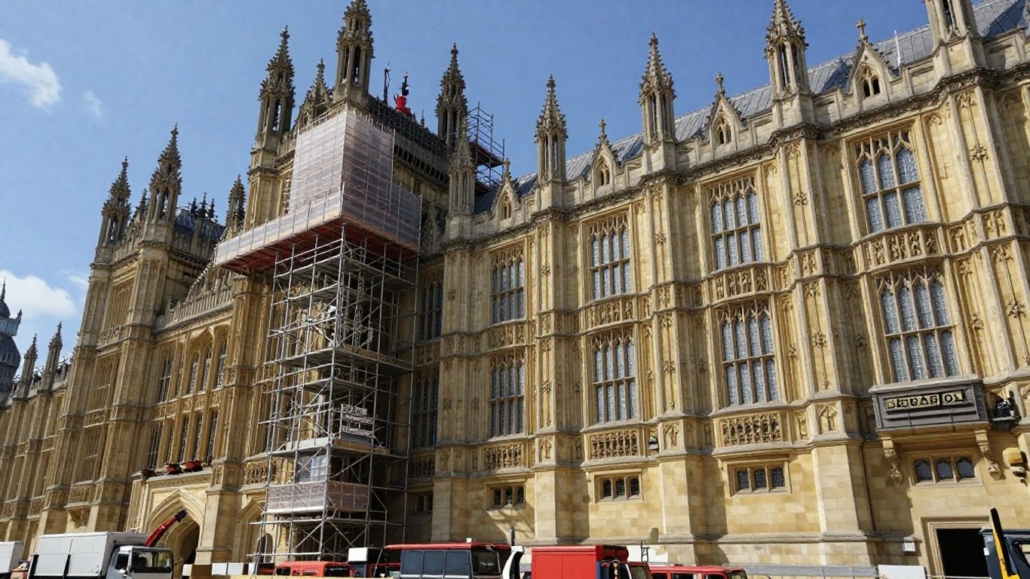
Parliament’s Future: £40bn Restoration Bill Looms as Two Options Emerge
The monumental task of restoring the Houses of Parliament has been narrowed down to two distinct options, with the potential price tag soaring to an astonishing £40 billion. This significant expenditure underscores the critical state of the historic Palace of Westminster and the complex decisions facing lawmakers regarding its future.
Key Takeaways
- Two primary restoration strategies remain under consideration.
- The estimated cost for either option could reach up to £40 billion.
- Urgent action is required to address the deteriorating condition of the Palace of Westminster.
The Dilemma Facing Parliament
The Palace of Westminster, a UNESCO World Heritage site, is in dire need of extensive repairs. Decades of neglect and the sheer age of the building have led to a critical state of disrepair, with concerns ranging from fire safety to structural integrity. The decision on how to proceed with restoration is not merely a financial one, but also a complex balancing act between preserving heritage and ensuring the building’s functionality for future generations.
Understanding the Two Options
While specific details of the two remaining options are not fully public, it is understood that they represent different approaches to the scale and methodology of the restoration. One option may involve a more phased, potentially longer-term approach, while the other could be a more comprehensive, albeit potentially more disruptive, overhaul. Both are expected to require the temporary relocation of Parliament.
The projected cost of £40 billion reflects the immense scale of the undertaking. This figure encompasses not only structural repairs but also essential upgrades to modernise the building’s infrastructure, including electrical, plumbing, and IT systems, while adhering to stringent heritage conservation standards.
The Urgency of Action
Experts have repeatedly warned that delaying essential repairs will only lead to further deterioration and potentially higher costs in the long run. The current condition of the Palace poses risks, and a significant intervention is deemed unavoidable. The decision-making process is expected to be lengthy and involve extensive consultation, but the ultimate goal is to secure the future of this iconic symbol of British democracy.