Innovative ‘Building Within a Building’ Retrofit Approved for Camden
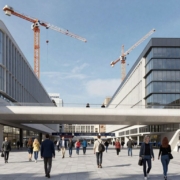
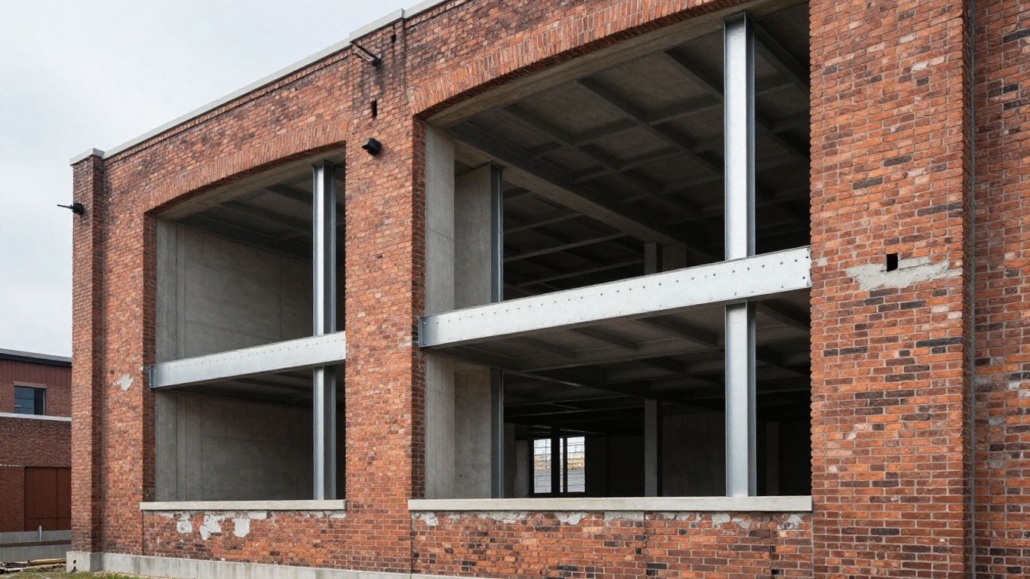
IF_DO has secured planning permission for a ground breaking “building within a building” retrofit project in Camden, London. This ambitious scheme aims to create a new, self-contained structure inside an existing office block, significantly enhancing its sustainability and functionality. The project is set to transform the site into a modern, energy-efficient workspace.
Key Takeaways
- IF_DO’s “building within a building” concept has received council approval.
- The project focuses on retrofitting an existing office block in Camden.
- The aim is to create a new, sustainable, and functional structure within the current shell.
- This innovative approach addresses the need for modern workspaces while promoting environmental responsibility.
A Vision for Sustainable Retrofitting
The “building within a building” approach is a novel solution designed to address the challenges of modernising older commercial properties. Instead of a traditional demolition and rebuild, IF_DO’s plan involves constructing a new, independent structure inside the existing shell of the Camden office building. This method is expected to minimise disruption and waste, offering a more sustainable alternative to new construction.
Enhancing Functionality and Efficiency
This innovative retrofit is not just about sustainability; it’s also about creating a more functional and efficient space. The new internal structure will be designed to meet contemporary workplace standards, offering improved layouts, better natural light, and enhanced energy performance. The existing facade of the building will be retained, preserving its character while the interior is completely reimagined.
Environmental Benefits
The project is anticipated to yield significant environmental benefits. By reusing the existing building structure, the carbon footprint associated with construction is substantially reduced. Furthermore, the new internal design will incorporate energy-efficient systems, aiming to lower operational energy consumption and contribute to a greener urban environment. This approach aligns with growing demands for sustainable development within the construction industry.